



Table of Contents
[Hide]
- Understanding the Concept of a Local Craft Blog
- Choosing Your Niche and Target Audience
- Setting Up Your Blog Platform
- Designing Your Blog for User Engagement
- Creating Compelling Content
- Photography Tips for Craft Blogs
- Utilizing Social Media for Promotion
- Building an Email List
- Monetizing Your Local Craft Blog
- Networking with Local Crafters and Businesses
- Tracking Your Blog's Performance
- Conclusion: The Journey of Craft Blogging
Understanding the Concept of a Local Craft Blog
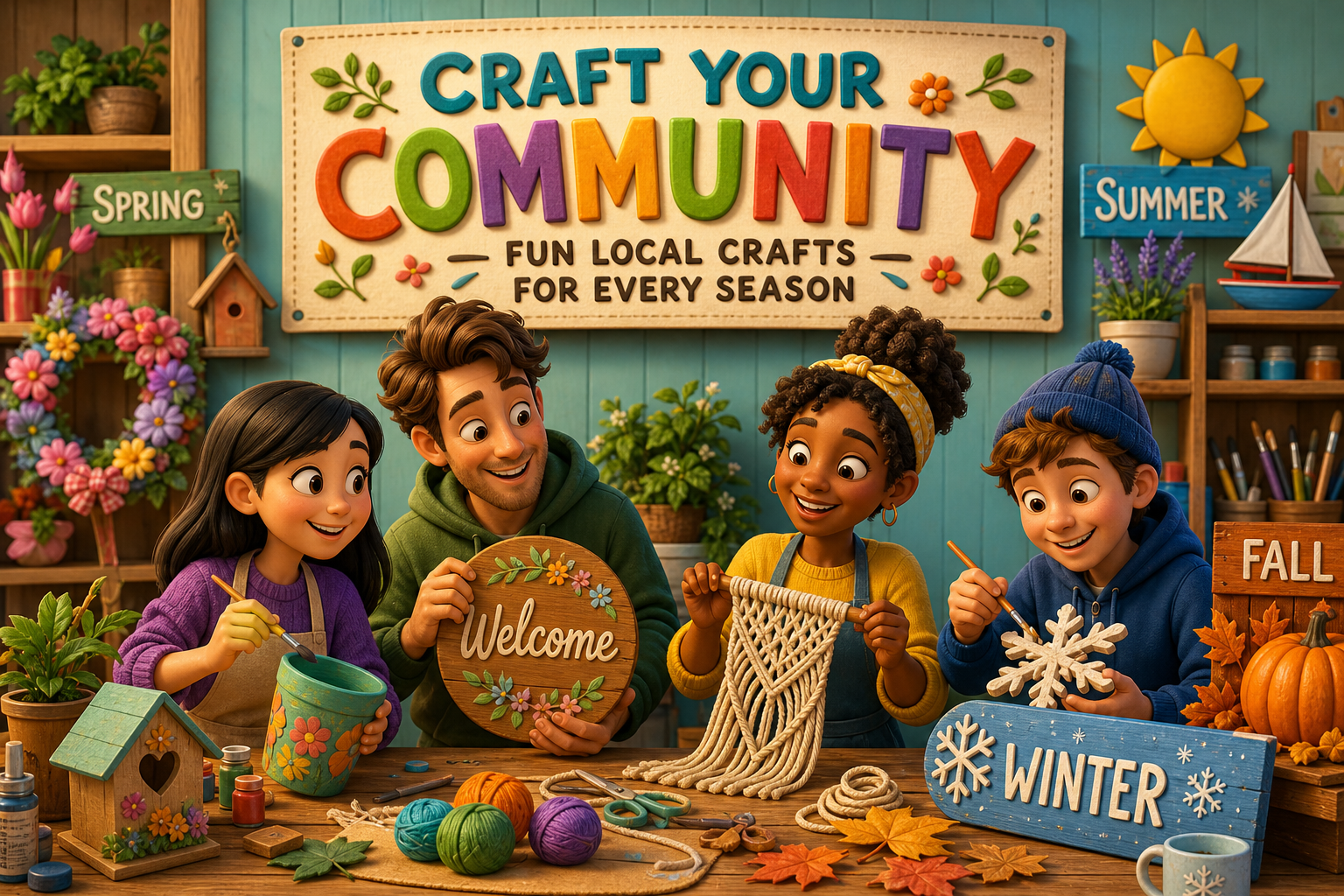
Creating a local craft blog is an exciting venture that allows you to share your passion for crafting with your community. A local craft blog focuses on crafts, art, and DIY projects relevant to your area. This type of blog can highlight local artists, craft fairs, and workshops. By centering your content on your locality, you also create a sense of belonging and connection with your readers. People love to support local talent and businesses, making it a perfect niche for your blog.
Key Takeaways & Quick Overview
- Start with a clear niche to attract a dedicated audience.
- Use social media to promote your blog and engage with local readers.
- Regularly update your content to keep your audience interested and returning.
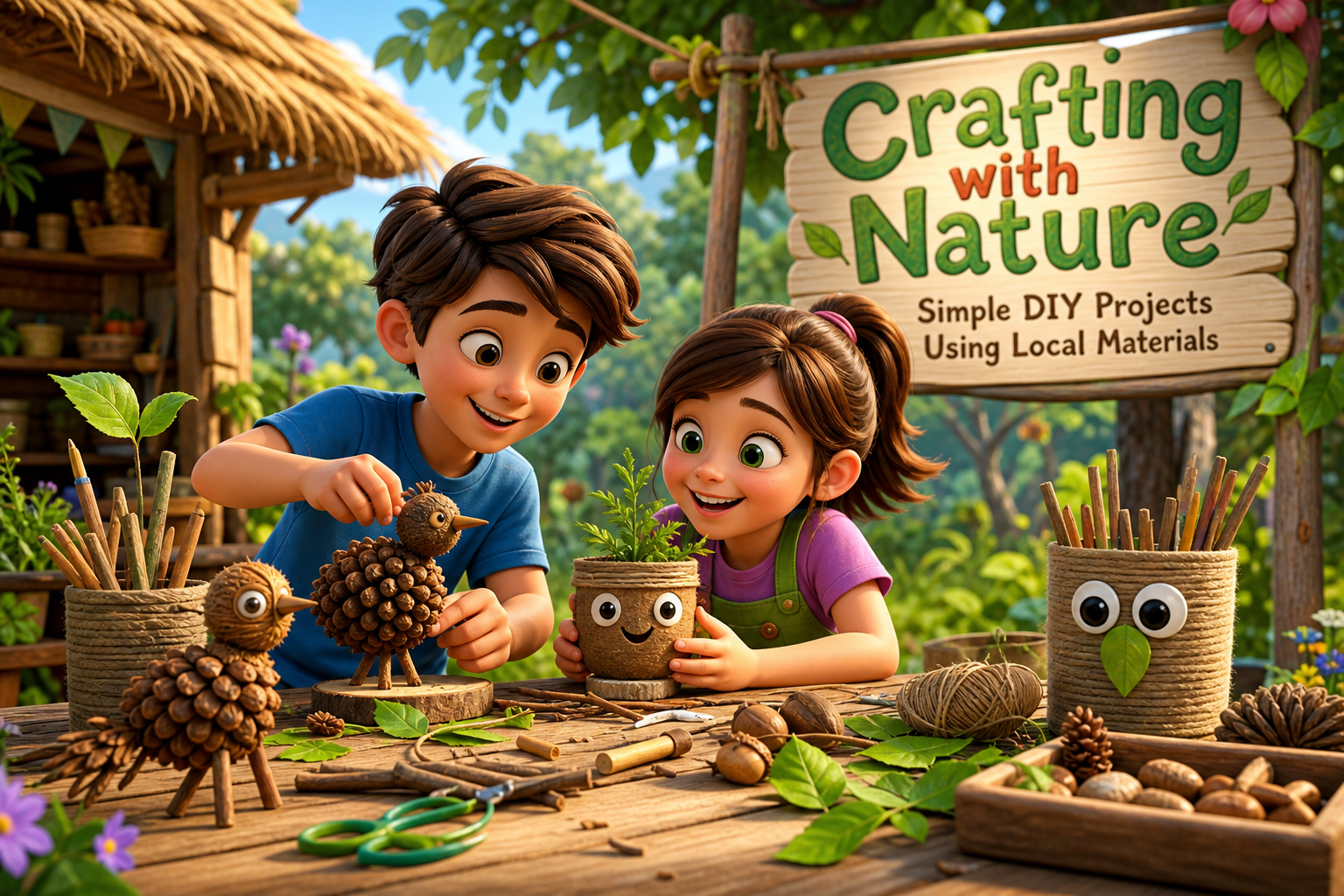
Moreover, a local craft blog can serve as a platform to promote community events, showcase local crafting resources, or even provide tutorials that are specific to your region’s culture and traditions. This not only enriches your content but also helps to build a loyal audience who shares similar interests. Crafting is more than just a hobby; it’s a way to express creativity and connect with others. In this article, we will explore the steps to successfully create a compelling local craft blog.
Choosing Your Niche and Target Audience
The first step in creating a local craft blog is defining your niche. This means identifying the specific area of crafting you want to focus on. Do you prefer knitting, woodworking, scrapbooking, or perhaps upcycling? By narrowing down your niche, you can better target your audience. For example, if you live in a coastal town, you might focus on beach-themed crafts or marine-inspired art.
After identifying your niche, consider who your target audience is. Are they beginners looking for simple projects or experienced crafters seeking advanced techniques? Understanding your audience will help you create content that resonates with them. You can also use social media platforms to gauge interest in various topics. Polls and questions can help you determine what types of content your audience desires. This engagement is vital in building a community around your blog.
Setting Up Your Blog Platform
Selecting the right platform for your local craft blog is important. In 2026, popular blogging platforms include WordPress, Wix, and Squarespace. WordPress is particularly favored for its flexibility and extensive range of plugins. If you prefer a more straightforward approach, platforms like Wix or Squarespace offer user-friendly interfaces and beautiful templates.
Once you choose a platform, you need to pick a domain name that reflects your blog’s focus. Your domain should be easy to remember and relevant to your niche. Consider including keywords such as “craft” or “local” in your domain to improve search engine visibility. After securing your domain, set up hosting to ensure your blog is accessible online. Many platforms offer hosting services as part of their package, making it easier to get started.
Designing Your Blog for User Engagement
Your blog’s design plays a significant role in attracting and retaining visitors. A clean, visually appealing layout encourages readers to explore your content. Choose a color scheme that reflects your personality and craft style. For instance, if your focus is on vibrant crafts, opt for bright colors that evoke creativity.
Incorporate high-quality images of your craft projects, as visuals greatly enhance engagement. Make sure your blog is mobile-friendly since many users browse on their phones. This means ensuring that the text is readable and images load quickly. Additionally, include easy navigation menus to help users find content effortlessly. Features like a search bar and category lists can enhance user experience, making it easier for visitors to explore your blog.
Recommended Pro-Tip
Always interact with your readers through comments and social media to build a strong community around your blog.
Creating Compelling Content
Content is the heart of any blog. For a local craft blog, focus on creating valuable and engaging posts that resonate with your audience. Start with tutorials that guide readers through specific projects. You can break down each step with clear instructions and images to help beginners follow along.
Consider writing about local craft events, interviews with local artisans, or reviews of crafting supplies available in your area. You can also include personal stories about your crafting journey or your experiences at local craft fairs. These narratives make your blog relatable and can inspire readers. Regularly updating your content is essential to keep your audience engaged and returning for more.
Photography Tips for Craft Blogs
High-quality photography can improve your local craft blog significantly. Good images attract readers and showcase your work effectively. Invest in a decent camera or use your smartphone with a good lens. Natural lighting is your best friend for craft photography, so try to shoot during the day when natural light is abundant.
When photographing your projects, focus on clarity and detail. Use different angles to highlight various aspects of your crafts. Also, consider using a plain background to avoid distractions. Editing your photos using simple software can enhance colors and sharpness, making them more appealing. Remember, the better your photos, the more likely people will want to try your projects.
Utilizing Social Media for Promotion
Social media is a powerful tool for promoting your local craft blog. Platforms like Instagram, Pinterest, and Facebook are ideal for sharing your crafts and connecting with your audience. Create dedicated accounts for your blog to share behind-the-scenes content, craft tips, and finished projects. This not only shares your work but also builds a community around your blog.
Engagement is key on social media. Respond to comments, share user-generated content, and ask questions to encourage interaction. Use relevant hashtags to increase visibility. For instance, hashtagging specific crafts or local events can attract people interested in those topics. Collaborating with other local crafters or bloggers can further expand your reach. Consider running contests or giveaways to boost engagement and encourage sharing among your followers.
Building an Email List
An email list is an essential tool for any local craft blogger. It allows you to communicate directly with your audience and share updates about new content, events, or special promotions. To start building your list, offer a free resource, such as a PDF guide or a exclusive tutorial, in exchange for email sign-ups.
Regularly send newsletters to your subscribers with updates about your blog, upcoming events, or crafting tips. Keep your emails engaging and visually appealing. Personalizing your emails can also make your subscribers feel valued. You can segment your list based on interests, ensuring the content is relevant to each group. This strategy can lead to higher engagement rates and a loyal following.
Monetizing Your Local Craft Blog
Once your local craft blog gains traction, you may want to explore monetization options. Affiliate marketing is a popular choice, where you promote crafting supplies and earn a commission on sales through your referral. Joining affiliate programs related to crafting tools and materials can be beneficial.
Selling your crafts directly through your blog is another effective way to earn income. Consider setting up an online shop section. You can also offer workshops or online courses for those who want to learn specific crafting skills. Sponsored content is another option, where brands pay you to promote their products. Be sure to disclose any sponsored content to maintain transparency with your readers.
Networking with Local Crafters and Businesses
Networking is vital in the crafting community. Building relationships with local crafters and businesses can lead to collaborations and opportunities. Attend local craft fairs, workshops, and community events to meet other enthusiasts. These connections can help you share ideas, resources, and even promote each other’s work.
Consider reaching out to local businesses for partnerships. You might offer to feature their products in your blog posts in exchange for promoting your blog in their stores. This mutual support can benefit both parties and attract more local readers to your blog. Building a community around your local craft blog fosters collaboration and creativity.
Tracking Your Blog’s Performance
Monitoring your blog’s performance is essential to understand what works and what doesn’t. Use tools like Google Analytics to track visitor behavior, page views, and engagement metrics. This data can inform your content strategy and help you identify trends in your audience’s preferences.
Pay attention to which blog posts receive the most traffic and engagement. This insight can guide you in creating similar content or expanding on popular topics. Additionally, regular feedback from your readers can provide valuable insights. Encourage comments, surveys, or feedback forms to understand what your audience enjoys and how you can improve. This ongoing evaluation will help your blog evolve and remain relevant to your readers.
Conclusion: The Journey of Craft Blogging
Creating a local craft blog is a rewarding journey that combines creativity and community engagement. By following the steps outlined above, you can establish a blog that resonates with your audience and showcases your passion for crafting. Remember to engage with your readers, produce high-quality content, and network with local artisans. Each of these elements contributes to building a successful and fulfilling blog. As you continue to grow, keep experimenting and evolving your content to ensure your blog remains fresh and exciting for your audience.
Embrace the journey, and let your creativity shine as you connect with fellow crafters in your community. Happy blogging!