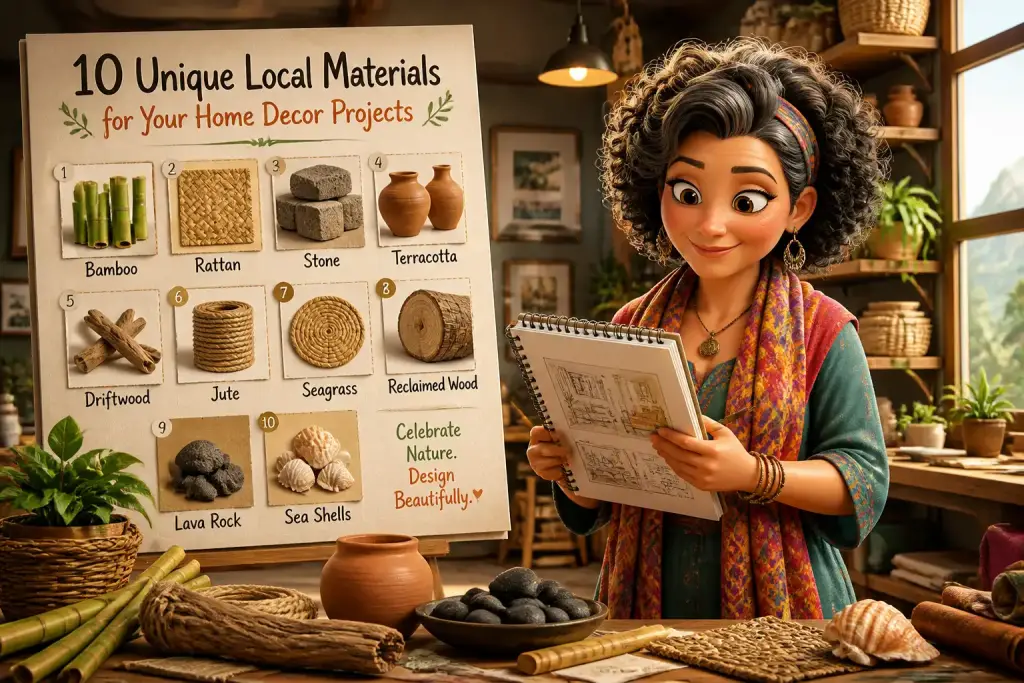









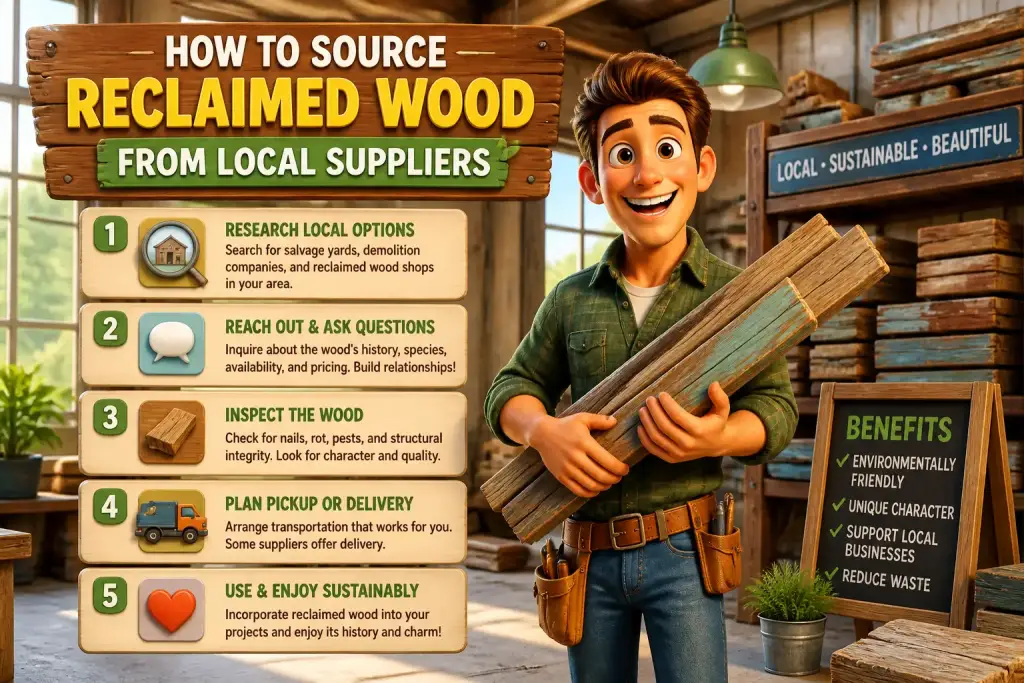
Using reclaimed wood in your projects not only adds character but also promotes sustainability. Reclaimed wood is salvaged from old buildings, furniture, or other items, giving it a second life. This choice not only reduces waste but also supports local economies. Sourcing reclaimed wood from local suppliers can enhance your project while offering unique materials that tell a story. This guide will take you through effective methods to find and select reclaimed wood from suppliers in your area.
- Identify local suppliers with reclaimed wood.
- Verify the quality and history of the wood.
- Explore diverse uses for reclaimed wood in projects.
Table of Contents
How the Benefits of Reclaimed Wood Works in Practice
Reclaimed wood offers numerous advantages over traditional lumber. First, it is an environmentally friendly option. By using wood that has already served its purpose, you reduce the demand for new timber and help decrease deforestation. This practice contributes to a healthier planet. Additionally, reclaimed wood often features unique textures and colors, adding charm and character to any project. Each piece has its history, which can create a stunning focal point in your home.
Another benefit lies in durability. Many older woods tend to be denser and more resilient than modern wood. This density often means that reclaimed wood can withstand wear and tear better than new options. Projects built with reclaimed wood can last longer, potentially saving you money on repairs or replacements in the future.
Examples of Reclaimed Wood Uses
- Furniture: Tables, chairs, and shelves made from reclaimed wood can add warmth to your home.
- Flooring: Reclaimed wood flooring offers a rustic look while being durable.
- Decor: Wall art or accent pieces create unique touches with history.
These diverse uses make reclaimed wood a versatile choice for many types of home improvement projects. As you consider sourcing this material, think about how it can enhance your designs while being eco-friendly.
Where to Start: Finding Local Suppliers
The journey to source reclaimed wood begins with identifying local suppliers. Start by researching businesses in your area that specialize in reclaimed materials. Many cities have dedicated salvage yards, lumber stores, or specialty shops that focus on eco-friendly construction materials. Online platforms can also help you find listings of local suppliers. Look for reviews and ratings to gauge their reputation and the quality of their wood.
Networking is another effective way to find suppliers. Attend local home improvement expos, craft fairs, or community markets. These events often feature vendors who sell reclaimed wood or other local materials. Engaging with other builders or DIY enthusiasts can lead you to hidden gems in your area.
Online Resources for Finding Suppliers
- Local business directories: Websites like Yelp or Google Maps can help locate suppliers nearby.
- Social media: Join local groups focused on DIY projects or sustainable living.
- Community forums: Websites like Nextdoor may have recommendations from neighbors.
These resources can significantly simplify your search for local reclaimed wood suppliers. By leveraging both online and offline resources, you can ensure a successful sourcing experience.
Assessing Quality and Authenticity
Once you find potential suppliers, assessing the quality of reclaimed wood is essential. Start by inspecting the wood for any signs of damage, such as rot, insect infestations, or excessive warping. Quality wood should be free from serious defects. Consider the wood’s age and history. Older wood, particularly from barns or factories, often possesses unique characteristics not found in newer wood.
Inquire about the source of the reclaimed wood. Understanding where the wood came from can provide insights into its quality. Woods salvaged from historical buildings often have richer colors and textures compared to newer reclaimed sources. This knowledge can also influence the story you share about your project, making it even more meaningful.
Tips for Evaluating Wood Condition
- Check for signs of moisture damage: Look for dark spots or mold, which can indicate problems.
- Feel the surface: Smooth wood without splinters is ideal for many projects.
- Ask for certifications: Suppliers may have documentation to prove the wood’s age and source.
Taking the time to evaluate the quality of reclaimed wood will ensure that you select the best materials for your projects. By being thorough in your assessment, you’ll avoid potential issues down the line.
Visit local salvage yards and attend community markets for unique reclaimed wood options at great prices.
Negotiating Prices and Establishing Relationships
Once you decide on a supplier, it is time to discuss pricing and establish a good relationship. Begin by understanding the market rates for reclaimed wood in your area. Many suppliers may have different pricing structures based on wood type, size, and condition. Comparing prices from multiple suppliers can give you a better idea of what to expect.
Don’t hesitate to negotiate the price. Many suppliers are willing to offer discounts for bulk purchases or repeat customers. Building a relationship with local suppliers can result in better deals and access to high-quality materials. A personal connection can also lead to valuable insights about upcoming materials that may not yet be advertised.
Ways to Build Strong Supplier Relationships
- Communicate openly: Share your project goals and expectations with the supplier.
- Be respectful: Treat the supplier as a partner in your project.
- Provide feedback: Share your experiences with the wood you purchased to help improve their offerings.
Strong relationships with local suppliers can enhance your sourcing experience and lead to better materials for your projects. These connections can be invaluable for future endeavors.
Creative Ideas for Using Reclaimed Wood
Once you have sourced your reclaimed wood, the possibilities for its use are nearly endless. Consider creative projects that can highlight the unique features of the wood. For example, building custom furniture can showcase its character while providing functional pieces for your home. Tables made from reclaimed barn wood can serve as beautiful conversation starters.
Reclaimed wood can also be used in smaller projects. Think about making wall art or decorative shelves to display your favorite items. With a little creativity, even scraps of reclaimed wood can be transformed into beautiful home decor. Incorporating local materials not only enhances your projects but also connects your designs to the community.
Inspiring Project Ideas
- Wooden planters: Create rustic planters for your garden using reclaimed wood.
- Accent walls: Use reclaimed wood to build stunning feature walls indoors.
- Picture frames: Craft unique frames for your favorite photos or artwork.
By embracing the unique qualities of reclaimed wood, you can create stunning pieces that reflect your personal style while being environmentally conscious.
The Future of Reclaimed Wood in Home Projects
The trend of using reclaimed wood is likely to grow as more people seek sustainable building practices. As awareness about environmental issues increases, many homeowners are turning to reclaimed materials for their projects. This shift not only helps the planet but also supports local economies and artisans.
In the coming years, technology may play a role in sourcing reclaimed wood. Online marketplaces and apps dedicated to sustainable materials could simplify the process of finding local suppliers. As the demand for reclaimed wood rises, suppliers may also increase their offerings, providing even more options for consumers.
Staying Ahead of Trends
- Follow industry blogs and publications to keep up with the latest trends in sustainable materials.
- Join local workshops or classes to learn new techniques for working with reclaimed wood.
- Network with other DIY enthusiasts to share insights and ideas.
By staying informed and connected, you can continue to discover innovative ways to use reclaimed wood in your projects. The future of reclaimed wood in home improvement looks bright, offering endless possibilities for creativity and sustainability.
Sourcing reclaimed wood locally not only benefits your projects but also contributes to a larger movement towards sustainability and community support. By following these steps and tips, you can successfully find the perfect reclaimed wood for your needs, ensuring that each piece not only serves a practical purpose but also tells a story.