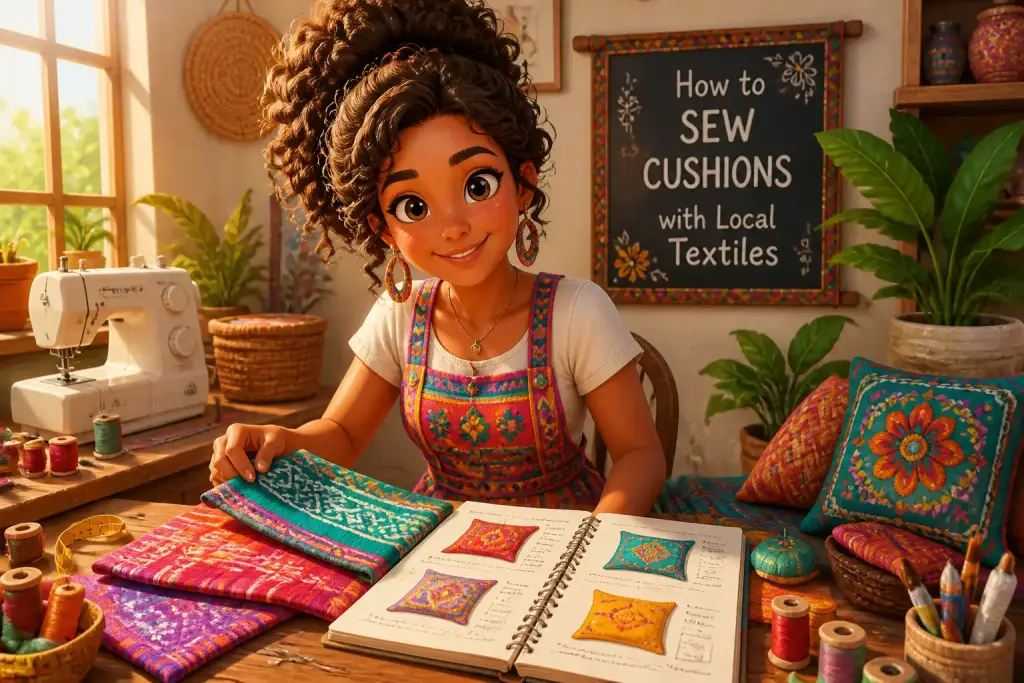








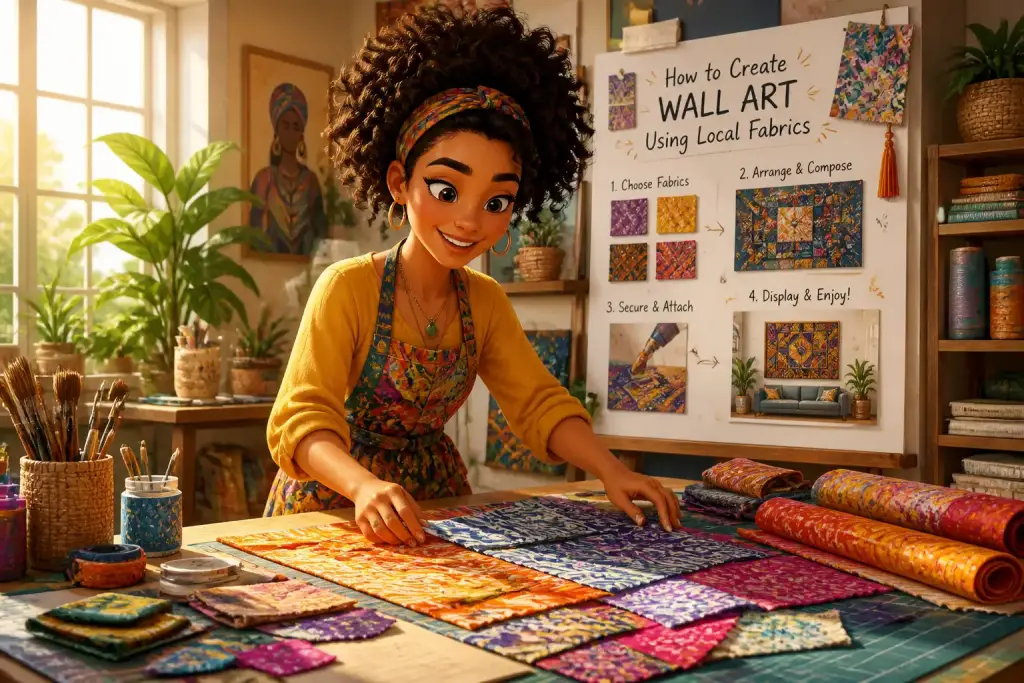
Creating wall art using local fabrics not only beautifies your home but also supports local artisans and showcases the unique culture of your area. Each fabric tells a story, and integrating these materials into your decor can transform a simple space into a vibrant expression of local heritage. This guide will take you through various methods to create stunning wall art pieces that truly reflect your style and the community around you.
- Use local materials to create unique wall art that reflects your community.
- Explore various techniques to enhance the beauty of local fabrics in your designs.
- Engage with local artisans to inspire your wall art projects.
Table of Contents
Choosing the Right Fabrics for Your Art
Selecting the right fabrics is the first step in crafting beautiful wall art. Local fabrics can vary greatly in texture, color, and pattern, which allows for a wide range of creative possibilities. Look for materials made from cotton, linen, or even silk, as they each bring a unique feel to your artwork.
Visit local markets or artisan shops to find fabrics that resonate with you. Bring along a swatch book or a color palette to help you visualize how different fabrics will complement each other. Pay attention to the weight and durability of the fabrics as well; heavier materials might work better for certain types of wall art, while lighter options can be used for layering and texture.
Consider the overall theme of your space when choosing fabrics. For a modern aesthetic, opt for geometric patterns and bold colors. If your decor leans towards a more rustic feel, earthy tones and natural prints will harmonize beautifully. This thoughtful selection process ensures that your wall art will feel cohesive within your existing decor.
Local artisans can provide insights into fabric sourcing. Connecting with them can also lead to unique findings, such as rare patterns or traditional techniques used in the creation of the fabrics. Look for workshops or community events where you can engage with these creators and learn more about the materials available.
Techniques for Creating Wall Art
Once you have selected your fabrics, the next step is to decide on the techniques you want to use. There are numerous methods to incorporate local fabrics into wall art, ranging from simple to more complex designs. Here are some popular techniques that can inspire your creativity.
Fabric Collage
This method involves layering different fabrics to create a visual story. Start by cutting your chosen fabrics into various shapes and sizes. Arrange these pieces on a canvas or wooden board, experimenting with placement until you find a layout you love.
- Use a glue gun or fabric adhesive to secure the pieces in place.
- Consider adding embellishments like beads or buttons for additional texture.
- Finish the piece with a coat of fabric sealer to protect it and enhance durability.
Fabric collage allows for personal expression and can be a fun way to use scraps left from other projects. Gather remnants of different sizes and colors to create a playful, eclectic piece that showcases your style.
Framed Fabric Art
Another straightforward method is to create framed fabric art. Choose a large piece of fabric with a striking pattern or color and stretch it over a frame. This creates a clean, polished look that can serve as a focal point in any room.
- Find a frame that fits your fabric piece.
- Cut the fabric to size, allowing for some overhang to wrap around the frame edges.
- Use a staple gun to secure the fabric to the back of the frame.
- Hang the finished piece on your wall using appropriate wall hangers.
Framed fabric art can be a quick and impactful way to add personality to your space. It works well with both bold patterns and more subdued prints, depending on the ambiance you want to create.
Incorporating Mixed Media Elements
Adding mixed media elements can elevate your fabric art to new heights. This technique involves combining fabric with other materials, such as paper, wood, or metal, to create a layered effect. The contrast between textures encourages visual interest and depth.
For example, you might combine fabric with reclaimed wood to create a rustic piece. Cut a wooden panel to your desired size and cover part of it with fabric. Attach the fabric securely using a strong adhesive, and consider placing some small decorative items, like dried flowers or shells, along the edges for added charm.
Another approach is to incorporate printed images or quotes onto fabric. Using fabric transfer paper, you can print your favorite sayings or images onto the fabric before integrating it into your wall art. This technique allows for personalized touches that reflect your personality and values.
Experimentation is key when using mixed media. Try different combinations of materials to see what resonates with you. Don’t be afraid to break traditional boundaries and create something wholly unique that showcases your creativity.
Displaying Your Wall Art Creatively
The way you display your wall art can greatly impact its visual appeal. Consider arranging multiple pieces together to create a gallery-style wall. This method not only showcases your work but also enhances the overall aesthetic of your space.
When hanging your art, maintain a consistent spacing between pieces to create a cohesive look. Use a level to ensure that everything is aligned properly. An uneven display can detract from the beauty of your artwork. Using various frame styles and colors can also add interest while still keeping the overall look coordinated.
Another creative display method is to hang fabric art on a fabric-covered bulletin board. This allows you to change out pieces easily and keep your decor feeling fresh. Use push pins or clips to attach the fabric art, making it simple to swap pieces out when you want to refresh your space.
Finally, don’t forget about lighting. Proper lighting can enhance the details and colors of your wall art. Consider using spotlights or wall sconces to highlight specific pieces, creating a stunning focal point in your room.
Always experiment with fabric scraps. You can create beautiful, small art pieces from leftover materials that might otherwise go to waste.
Engaging with Your Community
Creating wall art using local fabrics is more than just a personal project; it is also an opportunity to engage with your community. Attend local art shows, markets, or workshops to connect with other artists and fabric suppliers. These events often provide inspiration and networking opportunities.
Participating in community projects can further connect you with local artisans. Collaborate on large-scale art installations that celebrate local culture and heritage. This can provide a unique platform to showcase your work alongside other creators in your area.
Support local businesses by sourcing your fabrics and supplies from them. This not only helps the local economy but also encourages the continuation of traditional techniques and crafts. Your purchases can contribute to the preservation of local art forms, making your wall art project even more meaningful.
Lastly, consider hosting workshops or classes to teach others how to create their own wall art. Sharing your knowledge can inspire others to explore their creativity and appreciate the beauty of local fabrics. It can also create a sense of community, fostering connections among those who share a passion for art and craft.
Creating wall art using local fabrics is a fulfilling endeavor that allows for personal expression and community engagement. By choosing the right materials, employing various techniques, and displaying your work creatively, you can transform your living space into a vibrant reflection of your style. Additionally, supporting local artisans and engaging with your community can deepen the significance of your artwork, making it a cherished part of your home.