









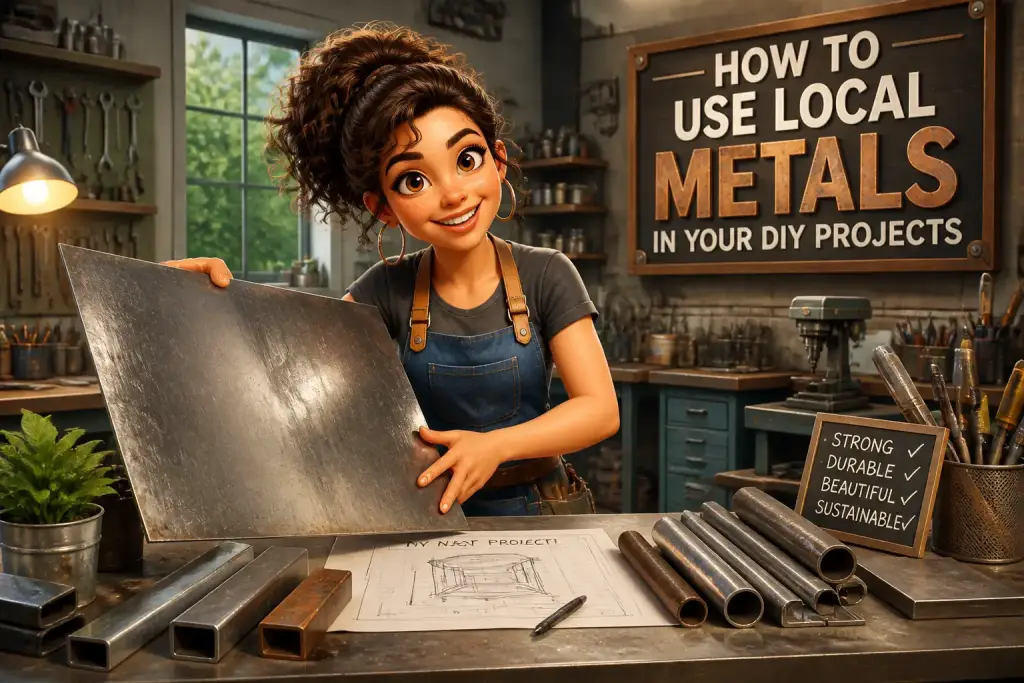
Using local metals in DIY projects not only enhances creativity but also promotes sustainability. These materials can add unique character to your work while supporting local industries. Crafting with metals sourced from nearby suppliers allows you to engage with your community and reduce your environmental impact. In this guide, we will explore various aspects of using local metals, from sourcing to practical applications, and provide you with tips to make the most of these materials in your DIY endeavors.
- Local metals add unique character to projects, making them distinct.
- Sustainable sourcing of metals supports local economies and reduces carbon footprint.
- Understanding metal properties ensures successful and durable outcomes in your work.
Table of Contents
How the Benefits of Local Metals Works in Practice
Local metals offer numerous advantages for DIY enthusiasts. First, they provide a sense of authenticity and connection to your surroundings. When you use materials sourced from your area, each project tells a story, reflecting the local heritage and craftsmanship. This connection can enhance the value of your creations, making them not only functional but also meaningful.
Another significant benefit of using local metals is sustainability. Sourcing materials from local suppliers reduces transportation emissions and supports the local economy. By choosing to work with local metals, you contribute to a more sustainable practice, minimizing your carbon footprint and promoting responsible consumption. This approach aligns well with modern values of environmental awareness.
Local metals can vary in texture, color, and finish, giving you an array of options for your projects. From rustic finishes to polished surfaces, these materials can help you achieve the aesthetic you desire. The diversity in local metals means that your DIY projects can stand out, showcasing your personal style and creativity.
Sourcing Local Metals Effectively
Finding local metals can be an exciting part of your DIY experience. Start by exploring local scrap yards and metal shops. These places often have a variety of metals available at lower prices compared to retail suppliers. Building a relationship with local suppliers can also lead to exclusive deals or access to unique materials that are not widely available.
Another option is to attend local craft fairs or markets. Many artisans sell their metalwork, and you can often find unique pieces or raw materials. Networking with these creators can provide insights into where they source their materials and even open doors for collaboration on future projects.
Steps to Source Local Metals
- Research local scrap yards or metal dealers in your area.
- Visit craft fairs and markets to discover local artisans.
- Join community forums or social media groups focused on DIY and crafting.
- Network with other DIY enthusiasts to share sourcing tips and techniques.
These steps can help you find the perfect local metals for your projects while fostering connections within your community.
Types of Local Metals to Consider
When working on DIY projects, understanding the different types of local metals available is essential. Common options include aluminum, steel, copper, and brass. Each metal has unique properties that can influence your design and functionality.
Aluminum is lightweight and resistant to corrosion, making it a popular choice for outdoor projects. You can use it for furniture, garden decor, or even sculptures. Steel, on the other hand, is known for its strength and durability. It is ideal for structural projects and can be used in everything from frames to functional home items.
Copper and brass add warmth and character to projects. Copper has a natural patina that develops over time, giving it an aesthetic appeal that many find attractive. Brass, with its shiny finish, works well for decorative items and accents. Understanding these types will help you select the right metal for your specific project needs.
Visit local scrap yards and metal shops to find affordable and unique local metals for your DIY projects.
Working with Local Metals: Tools and Techniques
After sourcing your local metals, the next step is learning how to work with them effectively. Familiarizing yourself with the right tools is crucial for achieving the desired results. Basic tools needed for metalwork include a hacksaw, metal snips, a drill, and a welding machine if you plan to join pieces together.
Safety is a top priority when working with metals. Always wear protective gear such as gloves, goggles, and a mask when cutting or welding. These measures will help prevent injuries and ensure a safe working environment.
Basic Techniques for Metalworking
- Cutting: Use a hacksaw or metal snips for thinner materials. For thicker metals, a bandsaw or cutting torch may be necessary.
- Drilling: Use metal drill bits to create holes for screws or other fasteners.
- Joining: Welding and soldering are common techniques for joining metal pieces. Practice these skills on scrap pieces before starting the final project.
These techniques will help you get started on your metalworking journey, allowing you to create beautiful items with local materials.
Design Ideas for Local Metal Projects
Using local metals opens up a world of creative possibilities. Consider crafting garden art or sculptures that incorporate unique shapes and textures. You can create metal wall art by cutting shapes and designs from sheets of metal. Using a combination of different metals can add depth and interest to your artwork.
Furniture also presents a fantastic opportunity to incorporate local metals. Metal frames for tables or chairs can provide durability while adding a modern touch to your home. Pair these frames with wooden surfaces for a beautiful contrast that highlights both materials.
Examples of Creative Metal Projects
- Garden Trellises: Build sturdy trellises using local steel for climbing plants.
- Home Decor: Create unique candle holders or light fixtures from copper or brass.
- Creative Storage: Use metal shelving units for functional and stylish storage solutions.
These ideas can inspire you to think outside the box and utilize local metals in innovative ways.
Maintaining Your Metal Projects
Once you have completed your projects, it is essential to maintain them properly to ensure longevity. Each type of metal may require different care techniques to keep it in good condition. For instance, aluminum is generally low-maintenance but should be cleaned regularly to prevent oxidation.
For copper and brass items, you may want to consider applying a protective coating to prevent tarnishing. Regular polishing can also enhance their shine and aesthetic appeal. Keeping metal surfaces free of dirt and moisture will help prolong their life.
Maintenance Tips for Common Metals
- Aluminum: Clean with mild soap and water; avoid harsh chemicals.
- Steel: Apply rust-inhibiting paint or sealant for outdoor items.
- Copper: Use a vinegar and salt solution for tarnish removal.
Implementing these maintenance strategies will allow you to enjoy your metal projects for years to come.
Embracing Community and Local Craftsmanship
Working with local metals not only benefits your projects but also strengthens community ties. Engaging with local suppliers, artisans, and fellow DIY enthusiasts fosters a sense of belonging and shared purpose. Consider joining local maker spaces or workshops that focus on metalworking. These environments provide opportunities to learn from others and share your experiences.
Participating in community events, such as craft fairs or exhibitions, can also help promote your work and connect with potential customers. These gatherings often highlight the importance of local craftsmanship and encourage collaboration among creators. By sharing your passion for local metals, you contribute to a culture of creativity and sustainability.
As you continue to explore the world of local metals, keep in mind that every project is a chance to learn and grow. Embrace the journey, appreciate the materials, and let your creativity shine through your work.