








Engaging in crafting with local materials can be a fulfilling and meaningful experience. It allows crafters to connect deeply with their communities while creating unique projects. Mindful practices enhance this experience by promoting focus, creativity, and sustainability. Through various techniques, individuals can harness the power of local resources to craft items that reflect personal and cultural stories. This article explores mindful practices for crafting with local materials, providing useful insights, examples, and step-by-step guidance.
- Mindfulness enhances creativity and focus in crafting.
- Local materials foster community connections and sustainability.
- Techniques like journaling can improve project planning and inspiration.
Table of Contents
- Embracing Local Materials for Meaningful Crafting
- Mindful Practices to Enhance Your Crafting Experience
- Finding Inspiration in Your Environment
- Developing a Sustainable Crafting Mindset
- Crafting as a Form of Mindfulness Meditation
- Building Community Through Crafting
- Transforming Your Crafting Journey
Embracing Local Materials for Meaningful Crafting
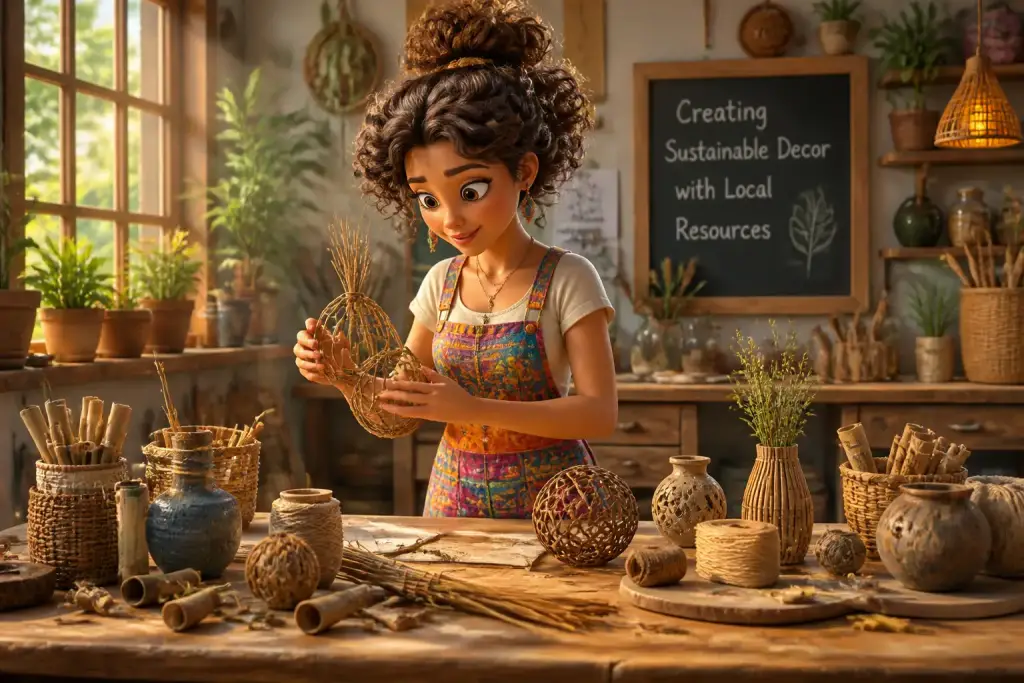
Using local materials in your crafting projects fosters a sense of community and connection to your environment. Each region offers a unique selection of resources, from natural elements like wood, clay, and fibers to handmade textiles and artisanal products. By choosing these materials, crafters can support local artisans and reduce their environmental footprint. This approach not only enhances the crafting experience but also creates items rich in cultural significance.
For example, in areas where cotton is abundant, local artisans often create beautiful textiles. These fabrics can serve as the basis for various projects, such as clothing, home décor, or accessories. Similarly, wood from nearby forests can be transformed into stunning furniture or decorative pieces. By sourcing materials locally, crafters can create meaningful works that reflect their surroundings and support local economies.
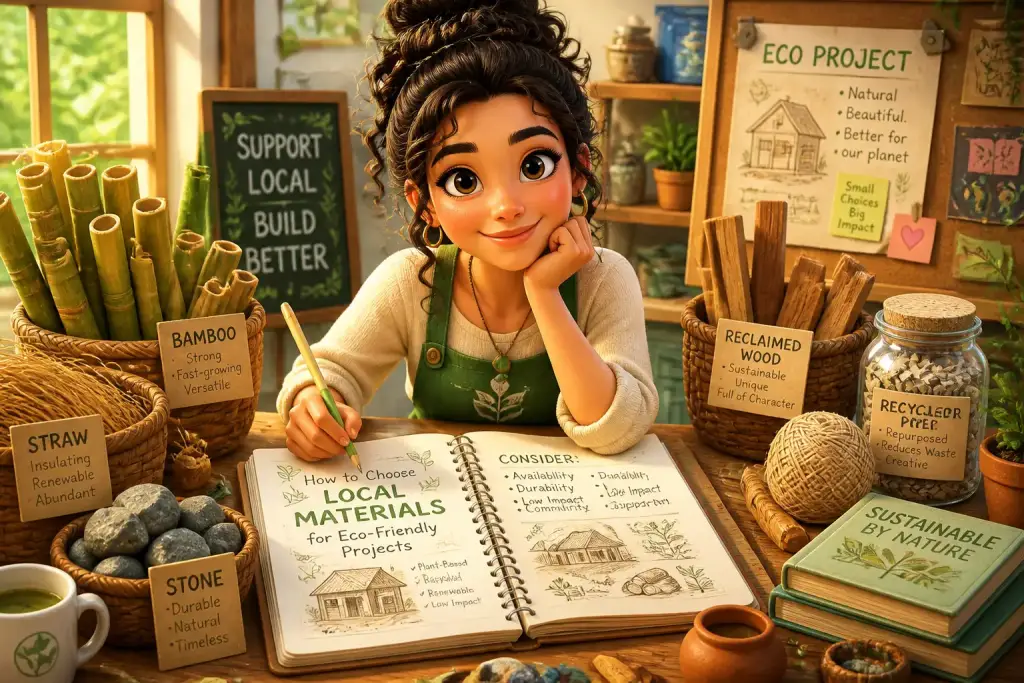
Utilizing local materials often encourages sustainability. Many local resources are more eco-friendly than mass-produced alternatives. For instance, using reclaimed wood or natural fibers reduces waste and promotes a circular economy. When you craft with local materials, you also contribute to a more sustainable future by minimizing transportation emissions and supporting responsible sourcing.
Mindful Practices to Enhance Your Crafting Experience
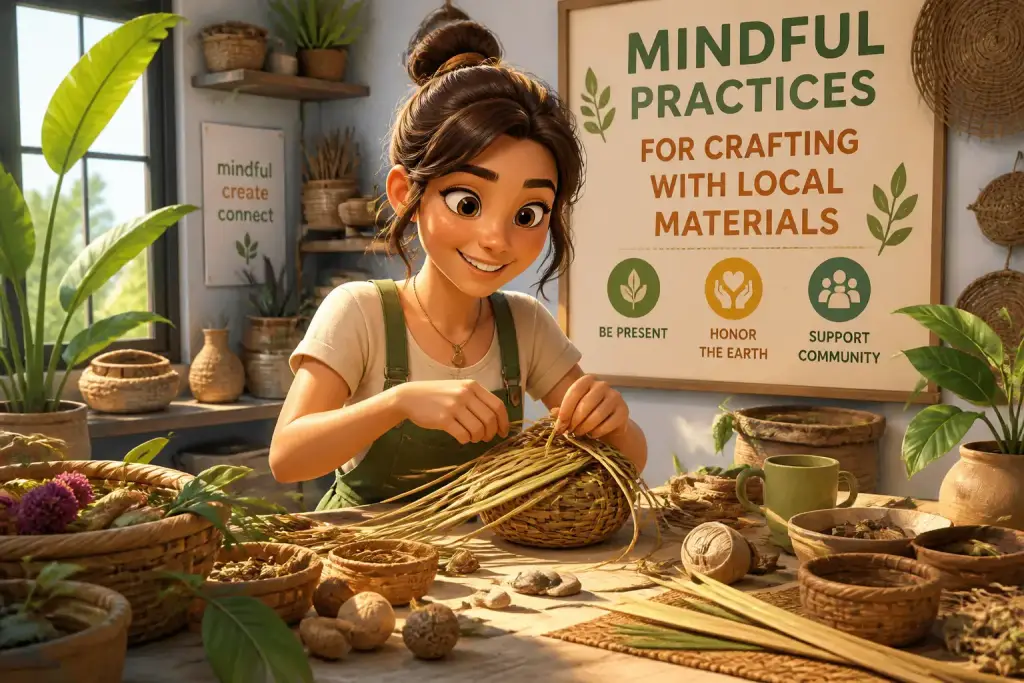
Incorporating mindfulness into your crafting routine can significantly improve your focus and creativity. Mindfulness means being present and fully engaged in the moment without judgment. This practice can help you connect more deeply with your crafting process and the materials you use.
To start, create a calm and inviting workspace. Clear away distractions and set up a designated crafting area that reflects your style and personality. Use natural light whenever possible and surround yourself with inspiring materials and tools. A well-organized space can create a peaceful atmosphere conducive to mindful crafting.
Simple Mindfulness Techniques for Crafters
- Breath Awareness: Before starting a project, take a few moments to focus on your breath. Inhale deeply and exhale slowly. This practice can help clear your mind and prepare you for creativity.
- Engage Your Senses: Pay attention to the textures, colors, and smells of your materials. Engaging your senses helps ground you in the present moment and enhances your creativity.
- Set Intentions: Before each crafting session, set an intention for your work. This could be a specific goal, such as completing a project or experimenting with a new technique.
These techniques can transform your approach to crafting. By being present and aware, you allow yourself to connect more deeply with your creative process and the materials you use.
Finding Inspiration in Your Environment
Nature and local culture can provide endless inspiration for your crafting projects. Observing your surroundings can spark new ideas and help you appreciate the beauty of local resources. Take walks in your neighborhood or visit local markets to discover unique materials and artistic influences.
For instance, if you live near the ocean, consider collecting seashells, driftwood, or sea glass for your projects. These natural elements can be integrated into home décor items like wall art or centerpieces. Alternatively, if you are in a region known for its textiles, visiting local artisans can inspire new crafting techniques and ideas. Engaging with the local community helps you understand the cultural significance behind various materials and crafts.
Steps to Capture Inspiration
- Take Photos: Capture images of materials, colors, and textures you find inspiring. This visual reference can help guide your projects.
- Keep a Nature Journal: Document your observations and ideas in a journal. Sketch the materials you discover and note how you might use them in your crafting.
- Attend Local Events: Participate in local craft fairs, workshops, or exhibitions. Engaging with artisans and crafters can inspire your own work and introduce you to new techniques.
By actively seeking inspiration in your environment, you can create projects that reflect both your personal style and the unique characteristics of your community.
Keep a crafting journal to track ideas, materials, and progress. This can help refine your creative process over time.
Developing a Sustainable Crafting Mindset
Crafting sustainably means being conscious of the materials you choose and the impact your projects have on the environment. Developing a sustainable mindset can enhance your crafting experience and contribute positively to the planet.
Start by evaluating your material choices. Opt for biodegradable or recyclable materials whenever possible. For example, using natural fibers like cotton or wool instead of synthetic fabrics can significantly reduce your environmental impact. Additionally, explore options for upcycling materials. Transforming old or discarded items into new creations can be both creative and environmentally friendly.
Practical Steps for Sustainable Crafting
- Source Local Materials: Whenever possible, purchase materials from local suppliers or artisans to reduce transportation emissions and support your community.
- Minimize Waste: Plan your projects carefully to minimize scraps. Save leftover materials for future projects or donate them to local schools or community centers.
- Educate Yourself: Stay informed about sustainable practices and materials in crafting. This knowledge can help you make better choices in your projects.
Adopting a sustainable mindset not only benefits the environment but also enriches your crafting experience. Each project can become a reflection of your values and commitment to preserving the planet.
Crafting as a Form of Mindfulness Meditation
Crafting can serve as a powerful form of meditation and self-expression. Engaging in repetitive tasks, such as knitting, sewing, or painting, can help calm the mind and foster mindfulness. This process allows crafters to focus on the present moment and escape from daily distractions.
When you immerse yourself in your craft, you enter a state of flow. This feeling of being fully absorbed in an activity can lead to increased creativity and satisfaction. As you work with local materials, consider how these resources connect you to your environment and community. This awareness can enhance your crafting experience, turning it into a mindful practice.
Integrating Mindful Meditation into Crafting
- Set a Timer: Dedicate a specific time for crafting each day. Treat this time as a sacred moment for yourself.
- Focus on Rhythm: Pay attention to the rhythm of your crafting actions. Whether you are cutting, sewing, or painting, let the motions become a meditative practice.
- Reflect on Your Work: After completing a project, take a moment to reflect on the process. Consider what you learned and how you felt during the crafting experience.
By integrating mindfulness meditation into your crafting routine, you can enhance both the joy of creating and your connection to the materials you use.
Building Community Through Crafting
Crafting can be a wonderful way to build community and connect with others who share your interests. Participating in local crafting groups or workshops can provide support, inspiration, and a sense of belonging. These interactions can enhance your crafting skills and offer new perspectives on your projects.
Local crafting groups often focus on specific techniques or materials, allowing members to share knowledge, resources, and experiences. For example, a quilting group might meet regularly to work on projects together, share tips, and showcase completed works. This collaborative environment fosters creativity and encourages crafters to explore new ideas.
Ways to Connect with Fellow Crafters
- Join Local Workshops: Many communities offer workshops led by experienced crafters. These events can introduce you to new techniques and materials while connecting you with like-minded individuals.
- Participate in Online Forums: Join online communities where crafters share their projects, ideas, and resources. These platforms can provide inspiration and support from a broader audience.
- Host Crafting Events: Organize crafting sessions with friends or family. Sharing your passion for crafting can strengthen relationships and foster a creative atmosphere.
Building a community around your crafting interests allows for shared learning and collaboration. This collective experience can enrich your understanding of local materials and inspire new projects.
Transforming Your Crafting Journey
Integrating mindful practices into your crafting with local materials can transform your creative journey. By embracing local resources, cultivating a mindful mindset, and engaging with your community, you can enhance your crafting experience. This approach creates not only beautiful projects but also meaningful connections to your environment and those around you.
Whether you are a seasoned crafter or just starting, these practices will help you create with intention and purpose. Remember, crafting is more than just a hobby; it is a way to express yourself and connect with the world. As you explore the possibilities of local materials and mindful practices, you will find joy and fulfillment in each creation.
Embrace this journey and let your creativity shine through every project you undertake. By focusing on mindfulness and sustainability, you can craft items that resonate with your values and reflect the beauty of your local community.