








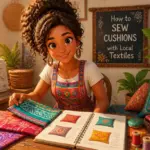

Handmade textiles represent more than just fabric; they embody stories, traditions, and the skills of local artisans. Each piece speaks of history, culture, and a connection to the community. With the rise in popularity of sustainable living, many people seek unique home decor that reflects their values. Choosing handmade textiles not only beautifies your space but also supports artisans in your area. In this guide, we will explore the world of handmade textiles, their significance, and how you can incorporate them into your home.
- Handmade textiles showcase unique craftsmanship and design.
- Supporting local artisans strengthens community ties and preserves cultural heritage.
- Incorporating these pieces enriches home decor and personal style.
Table of Contents
The Importance of Supporting Local Artisans
Buying handmade textiles from local artisans plays a vital role in preserving cultural heritage. Each artisan brings their unique techniques and traditional methods into their work. This not only keeps these arts alive but also allows younger generations to learn and appreciate their cultural backgrounds. When you purchase directly from artisans, you help sustain their livelihood while promoting local economies.
Handmade textiles often carry a story. For example, a quilt may be made from fabric passed down through generations, while a woven rug may feature patterns specific to a community. This personal touch adds value and meaning to each piece, making it more than just a decorative item. The connection between the artisan and their work fosters a sense of community and continuity.
Because of the growing demand for unique and sustainable products, many artisans are turning to social media to showcase their work. Platforms like Instagram and Facebook allow them to reach a wider audience, helping their businesses thrive. By following these artisans online, you can stay updated on their latest creations and support their growth.
To textiles, you might find related crafts that complement your home decor. For instance, pairing handmade curtains with locally crafted furniture can create a cohesive and inviting atmosphere. This approach not only enhances your living space but also strengthens your ties to local culture.
Types of Handmade Textiles
The world of handmade textiles is vast and diverse. From traditional pieces passed down through generations to modern designs, there’s something for every taste. Common types of handmade textiles include:
- Fabrics: Cotton, linen, wool, and silk are often used in various forms, each offering unique textures and qualities.
- Rugs: Handwoven or knotted rugs can serve as stunning focal points in any room.
- Quilts: Often made from patchwork designs, quilts showcase creativity and craftsmanship.
- Wall hangings: Tapestries or fabric art can add color and character to walls.
Each type of textile serves a different purpose in home decor. For example, a handwoven rug can add warmth to a cold space, while a colorful quilt might brighten up a bedroom. Choosing the right textile can transform your home, making it feel more personal and inviting.
When selecting handmade textiles, consider both aesthetics and functionality. Think about the colors and patterns that resonate with you, as well as how the piece will fit your space. Don’t hesitate to ask artisans about their techniques and materials, as this can deepen your appreciation for their work.
Finding Local Artisans
Connecting with local artisans can be a rewarding experience. Start by exploring artisan markets or craft fairs in your area. These events often showcase a variety of handmade goods, allowing you to meet creators and learn about their work. Additionally, local craft stores may feature products from nearby artisans, providing another avenue for discovery.
Another effective way to find artisans is through online platforms. Websites like Etsy or local directories often list artisans who sell handmade textiles. You can filter by location to support your community. Social media is also a great resource; searching for local hashtags related to crafts can lead to exciting finds.
Consider visiting community workshops or classes, where artisans may teach their skills. Participating in these events allows you to gain insight into the crafting process while also fostering connections with local creators. You might even discover new talents within yourself.
Here are some tips to effectively find local artisans:
- Attend local craft fairs and markets.
- Search online directories and social media platforms.
- Join community workshops or classes.
- Ask friends or family for recommendations.
Incorporating Textiles into Your Home
Once you have discovered handmade textiles, the next step is incorporating them into your home decor. Each piece can serve a functional or decorative purpose, enhancing your living space in various ways. For instance, a vibrant wall hanging can become a focal point in a room, while a cozy quilt can add warmth to your bed.
Consider the color scheme of your home when selecting textiles. Choose pieces that complement or contrast with your existing decor. For example, earthy tones can create a calming atmosphere, while bright colors can energize a space. Mixing patterns can also be effective; just ensure that they share a common theme or color palette.
Functional uses of handmade textiles are plentiful. Use table runners for special occasions or everyday dining to add a personal touch. Handwoven baskets can provide stylish storage solutions, while unique pillows can enhance comfort and style in your living room. By integrating these textiles thoughtfully, you create a harmonious environment that reflects your personality.
For those interested in DIY, consider crafting your own pieces using local natural dyes. This can add a personal touch to your textiles and deepen your connection to the materials. Resources are available to guide you through the process, such as easy ways to stain wood with local natural dyes.
Visit artisan markets to discover local textile creators and gain insight into their techniques and stories behind their work.
The Future of Handmade Textiles
The handmade textile industry continues to evolve, with trends leaning towards sustainability and innovation. As consumers increasingly value unique and eco-friendly products, artisans adapt by using organic materials and sustainable practices. This shift not only benefits the environment but also attracts a broader audience.
Technology plays a role in this evolution as well. Many artisans now utilize online platforms to reach customers globally. By showcasing their work on social media, they can share their stories and techniques, creating a more personal connection with buyers. This direct relationship enhances the value of handmade textiles, making them more appealing to conscious consumers.
Collaboration among artisans is also gaining popularity. By working together, they can combine their skills to create unique pieces that reflect multiple influences. This not only enriches the craftsmanship but also fosters a sense of community among creators. This trend can lead to exciting new designs that push the boundaries of traditional textile art.
As the demand for handmade textiles grows, it is essential to support artisans by purchasing their work and sharing their stories. By doing so, you contribute to a thriving community while ensuring that these valuable skills are passed down through generations.
Building a Community Around Handmade Textiles
Supporting local artisans extends beyond purchasing their textiles. Engaging with them in your community can create a vibrant network of creators and enthusiasts. Participating in workshops, markets, and online forums fosters connections that benefit everyone involved.
Consider starting or joining a local group focused on handmade crafts. This can be a space for sharing ideas, techniques, and resources. Regular meet-ups can also inspire collaboration among artisans, allowing them to showcase their skills and learn from one another. Such communities celebrate creativity and provide support for artisans navigating their craft.
Educating others about the value of handmade textiles is another powerful way to build community. Share your experiences with friends and family, and encourage them to explore local artisans. Organize events where artisans can display their work, allowing more people to appreciate the beauty and craftsmanship of handmade textiles.
In doing so, you help preserve cultural heritage while enriching your community. Every piece purchased not only enhances your home but also empowers artisans to continue their craft, ensuring that these traditions remain alive for future generations.