









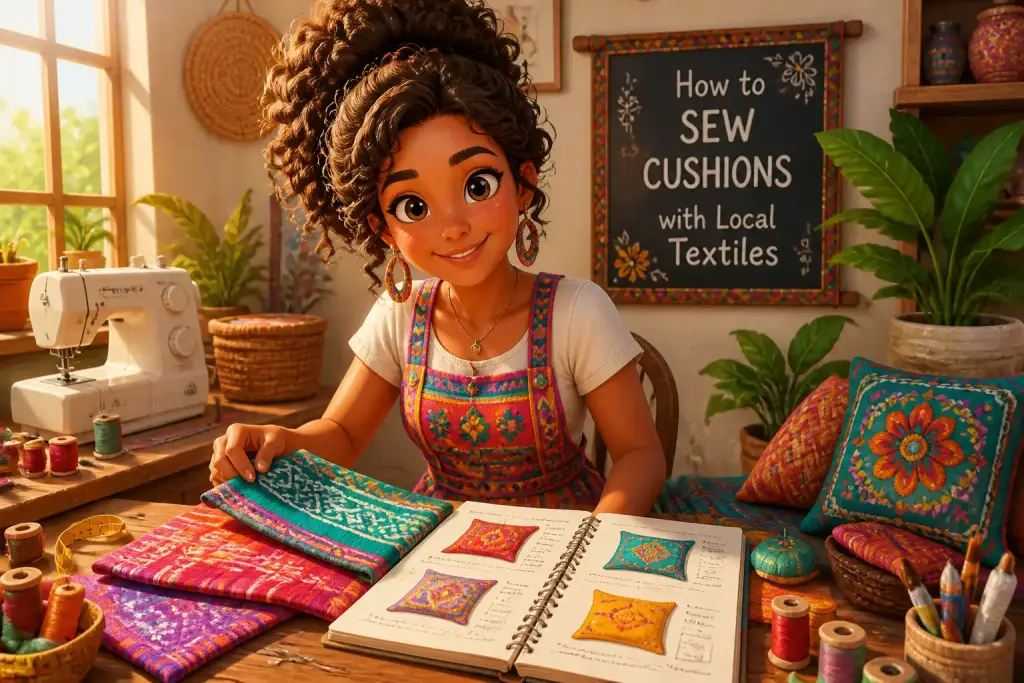
Cushions are more than just decorative pieces; they bring comfort and personality into any space. Crafting your cushions using local textiles adds a unique touch and supports local artisans. This comprehensive guide will take you through the entire process of sewing cushions, from selecting the right fabrics to the final stitches. By the end, you will have the skills to make beautiful cushions that reflect your style and creativity.
- Choose local fabrics for unique designs.
- Follow step-by-step instructions for sewing cushions.
- Use various filling materials for comfort.
Table of Contents
Choosing the Right Local Textiles
Local textiles come in a variety of patterns, colors, and textures. Selecting the right fabric is essential for creating cushions that enhance your home. Look for materials that reflect the culture and aesthetics of your region. This not only supports local economies but also brings a unique charm to your projects.
Consider fabrics like cotton, linen, or wool. Cotton offers durability and ease of care, making it ideal for everyday cushions. Linen, with its natural luster, provides a sophisticated touch. Wool is excellent for cozy cushions, perfect for cooler climates. Pay close attention to the fabric weight; heavier fabrics are better suited for outdoor cushions, while lighter materials work well for indoor settings.
When shopping for local textiles, visit community markets or artisan shops. Engage with the sellers to learn more about the materials and their origins. This interaction enriches your understanding and allows you to select fabrics that resonate with you. You can also explore online marketplaces that specialize in local and handmade textiles.
Fabric Patterns and Colors
- Choose patterns that match your existing decor. Floral patterns can add vibrancy, while geometric designs offer a modern look.
- Consider color schemes. Use complementary colors to create visual harmony or contrasting colors for a bold statement.
- Mix and match different fabrics for a patchwork effect. This technique adds depth and interest to your cushions.
Essential Tools and Materials
Gathering the right tools and materials is crucial for a smooth sewing process. You will need basic sewing supplies such as a sewing machine, scissors, pins, and measuring tape. A rotary cutter and mat can also help in achieving precise cuts.
Invest in quality thread that matches your fabric. A strong thread ensures durability, especially for cushions that will see frequent use. You will also need a suitable cushion filling. Options include polyester fiberfill, foam inserts, or even natural materials like feathers. Each filling offers different levels of comfort and support.
Don’t forget about the importance of a good iron. Pressing your fabric helps create crisp edges and ensures your seams lie flat. A fabric marker or chalk pen can help in marking patterns on your fabric before cutting.
Basic Sewing Tools Checklist
- Sewing machine
- Scissors
- Pins or clips
- Measuring tape
- Iron and ironing board
- Fabric marker or chalk
Preparing the Fabric for Sewing
Before you start sewing, preparing your fabric is essential to ensure the best results. Washing the fabric removes any chemicals from the manufacturing process and prevents future shrinkage. Always follow the care instructions on the fabric label.
After washing, iron the fabric to eliminate wrinkles. This step is important for accurate cutting and sewing. Lay the fabric flat on a clean surface and use your measuring tape to determine the dimensions for your cushions. Standard cushion sizes vary; common dimensions include 16 x 16 inches or 18 x 18 inches, but you can customize based on your needs.
Mark your cutting lines with a fabric marker or chalk. This ensures you have clear guidelines to follow, making the cutting process straightforward. Cut carefully to avoid fraying edges. If working with multiple fabrics, organize them to visualize the final design.
Measuring and Cutting Steps
- Measure your cushion size and add an extra inch for seam allowance.
- Lay your fabric on a flat surface, ensuring it is wrinkle-free.
- Use a rotary cutter or scissors to cut along your marked lines.
Sewing Your Cushions
With your fabric prepared, it’s time to start sewing. Begin by placing your fabric pieces together, ensuring the right sides are facing each other. Pin the edges to hold them in place. This step is crucial as it helps prevent shifting during sewing.
Using your sewing machine, sew along the edges, leaving an opening for the filling. For a standard cushion, a ½ inch seam allowance works well. When you reach the corners, stop sewing a quarter-inch before the edge to allow for easier turning and to create a crisp corner.
After sewing, turn the cushion cover inside out through the opening. Use a pencil or chopstick to gently push out the corners for a neat finish. This technique helps in achieving sharp corners, giving your cushion a professional look.
Step-by-Step Sewing Process
- Pin the fabric pieces together.
- Sew along the edges, leaving a gap for filling.
- Turn the cover inside out.
- Push out the corners carefully.
Always pre-wash your fabrics to avoid shrinking and ensure colors remain vibrant after sewing.
Filling the Cushions
Once your cushion cover is complete, it’s time to fill it. Choose your filling material based on the comfort and firmness you desire. Polyester fiberfill is soft and lightweight, while foam inserts offer more support. Natural fillings like feathers provide luxury but require more maintenance.
Insert the filling through the opening of the cushion cover. Be sure to fill it evenly, distributing the material so that there are no lumps. For a plush look, overfill slightly, as the cushion will compress when used. After filling, tuck in the raw edges of the opening.
To close the opening, you can hand sew it using a needle and thread for a neat finish. Alternatively, you can use a sewing machine if you prefer a more durable closure. Make sure the stitches are tight to prevent any filling from escaping.
Filling Material Options
- Polyester fiberfill for a soft feel.
- Foam inserts for firmness.
- Feathers for luxury comfort.
Decorating and Personalizing Your Cushions
Adding personal touches to your cushions can make them truly unique. You can use fabric paint or markers to create designs on plain fabric, or add appliqué pieces for texture. Consider using stencils for precise shapes and letters.
Another way to personalize your cushions is by adding tassels, buttons, or piping along the edges. These details can turn a simple cushion into a statement piece. Experiment with different embellishments to see what resonates with your style.
Remember to keep your decor cohesive. If your home has a specific theme or color palette, choose colors and patterns that align with it. This approach creates a harmonious look throughout your space.
Creative Ways to Personalize Cushions
- Use stencils for custom designs.
- Add tassels or fringe for a bohemian look.
- Incorporate buttons for a vintage touch.
Incorporating Cushions into Your Home Decor
Once your cushions are complete, it’s time to showcase them in your home. Start by choosing the right locations. Living rooms, bedrooms, and outdoor spaces are ideal spots for adding comfort and style. Mix and match different sizes and shapes to create a visually appealing arrangement.
Layering cushions can also add depth to your decor. Place larger cushions at the back and smaller ones in front. This arrangement not only looks inviting but also provides versatility in comfort. Consider using cushions with varied textures to create a cozy atmosphere.
Finally, remember to change your cushions seasonally. This practice keeps your decor fresh and allows you to enjoy different patterns and colors throughout the year. Store off-season cushions properly to maintain their shape and quality.
Tips for Cushion Placement
- Use larger cushions in the back and smaller ones in front.
- Mix textures and patterns for visual interest.
- Change cushions with the seasons for a fresh look.
Maintaining Your Cushions
To keep your cushions looking their best, regular maintenance is necessary. Start by checking the care instructions for each fabric type. Most can be spot-cleaned, but some may require machine washing. Always test a small area before applying any cleaning solution.
For cushions with removable covers, washing them regularly will help maintain their appearance. If your cushions start to lose their shape, consider re-fluffing the filling or replacing it if necessary. Proper storage during off-seasons can also extend the life of your cushions.
To cleaning, inspect your cushions for any signs of wear and tear. Prompt repairs can prevent further damage. Use a needle and thread to fix small rips or seams that may come undone.
Maintenance Tips
- Check care instructions before cleaning.
- Wash removable covers regularly.
- Inspect for wear and repair promptly.
Bringing It All Together
Sewing cushions with local textiles is a fulfilling project that enhances your home environment. By selecting the right fabrics, preparing them carefully, and sewing with attention to detail, you can create stunning cushions that are both functional and beautiful. Personalizing your cushions adds a unique touch, making them a reflection of your style.
As you incorporate these cushions into your home decor, remember the importance of seasonal changes and proper maintenance. This approach not only keeps your cushions looking great but also allows you to enjoy the variety they bring to your living spaces. Embrace the creativity of sewing and let your cushions tell a story of local craftsmanship and personal expression.
For additional inspiration, consider checking out our articles on collecting driftwood or creating a calm space using natural elements. These projects complement your cushion-making efforts beautifully, enhancing your overall home aesthetic.