






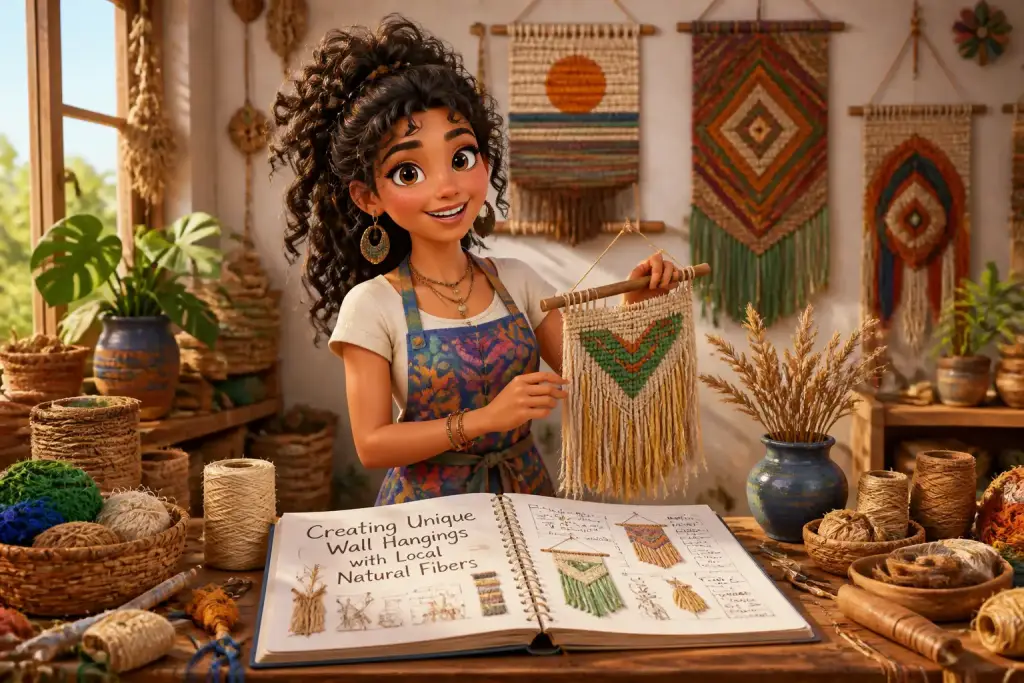
Creating unique wall hangings with local natural fibers is a rewarding way to enhance your home’s decor. These pieces not only add beauty but also connect you to your local environment. By using materials found nearby, you contribute to sustainable living and reduce your carbon footprint. This guide will provide you with detailed insights into selecting fibers, crafting techniques, and design inspirations to help you create stunning wall art.
- Explore various local natural fibers to enhance your wall decor.
- Learn step-by-step techniques for creating beautiful wall hangings.
- Use eco-friendly practices to source materials sustainably.
Table of Contents
Choosing the Right Natural Fibers
Natural fibers come from various plants and animals. They offer different textures, colors, and durability, making them perfect for wall hangings. Start by exploring the fibers available in your region. Common sources include cotton, jute, hemp, and wool. Each fiber has its unique qualities that can influence your design.
Cotton is soft and versatile, making it easy to work with for intricate designs. Jute, on the other hand, has a rustic look and is ideal for creating natural, earthy pieces. Consider your project’s purpose and the overall aesthetic you wish to achieve when selecting fibers. For instance, if you want a cozy feel, wool might be your best choice.
When sourcing these materials, prioritize local suppliers. Using local natural fibers not only supports your community but also reduces transportation emissions. Search for local artisans or markets that specialize in natural textiles. This approach is beneficial and creates a connection to your community.
Gathering Materials and Tools
Once you’ve selected your fibers, gather the necessary tools for crafting your wall hanging. Essential tools include scissors, a weaving loom or frame, and a needle for sewing. Depending on your design, you might also need glue, a ruler, or even beads for embellishment.
For a simple wall hanging, you may need just a few items. Here’s a basic list to get started:
- Natural fibers (cotton, jute, or wool)
- Scissors
- Wooden dowels or a frame
- Hot glue gun or needle and thread
- Decorative elements (beads, feathers, or dried flowers)
This list covers the basics, but feel free to expand based on your creative vision.
Designing Your Wall Hanging
Creating a design for your wall hanging is an exciting part of the process. Start with a sketch or a mood board. Think about the colors, shapes, and patterns you want to include. Consider the overall theme of your space and how your wall hanging can complement it. If you are unsure, look for inspiration online or in home decor magazines.
To create a balanced design, use a mix of textures and colors. For instance, combine rough jute with soft cotton. You could also incorporate various shades of the same color to create depth. This variety will make your piece more interesting and visually appealing.
Once you have a design in mind, outline the steps needed to bring it to life. For example:
- Choose the base shape (circle, rectangle, etc.).
- Select colors and textures of your fibers.
- Plan the layout of different elements.
- Begin crafting, starting with the larger pieces and adding details later.
This structured approach will help ensure that your wall hanging evolves smoothly from concept to completion.
Try to use every part of the fiber plant to minimize waste and create diverse textures in your wall hangings.
Crafting Techniques for Wall Hangings
There are several techniques you can use to craft wall hangings. Weaving is one of the most popular methods. This technique involves interlacing fibers to create a beautiful pattern. You can use a simple loom or even your hands to weave your design. If you choose to weave, remember to keep your tension consistent for a neat finish.
Knotting is another effective technique. Macrame, a form of knotting, allows you to create intricate designs using various knots. It can be a fun way to add texture and visual interest to your wall hanging. Begin with simple knots, like square knots or lark’s head knots, and gradually progress to more complex patterns.
Basic Weaving Steps:
- Secure your fibers to the loom or frame.
- Begin weaving in one direction, then switch to the opposite direction.
- Continue until you reach the desired length.
- Finish by securing the ends and trimming excess fibers.
Experiment with these techniques to discover your style. Mixing different methods can lead to unique and stunning results.
Incorporating Natural Elements
Adding natural elements can enhance your wall hangings significantly. Consider including items like twigs, dried flowers, or even feathers. These additions can provide a three-dimensional effect, making your piece stand out on the wall.
When incorporating natural elements, ensure they complement your main fibers. For instance, if your wall hanging is mostly neutral, adding a pop of color with dried flowers can create a striking contrast. Be mindful of how each element interacts with the others to maintain a cohesive look.
To attach these elements, you can use hot glue or sew them directly into the fibers. Experiment with placement before committing to glue or sew to find the best arrangement. Remember, the goal is to create a harmonious balance between the fibers and the natural elements.
Finishing Touches and Hanging Techniques
After crafting your wall hanging, it’s time for the finishing touches. Trim any loose ends and ensure all elements are secure. This step is crucial for both aesthetics and durability. A well-finished piece will look polished and professional.
Next, consider how you will hang your creation. You can use a simple hook or a more decorative method, like a wooden dowel. If you choose a dowel, make sure it is sturdy enough to support the weight of your wall hanging. Securely attach the dowel to the wall using appropriate hardware.
Hanging Steps:
- Measure the wall space where you want to hang your art.
- Choose the right hardware based on the weight of your piece.
- Install the hardware securely.
- Hang your wall hanging and step back to admire your work.
Taking the time to properly finish and hang your piece will enhance its beauty and longevity.
Maintaining Your Natural Fiber Wall Hangings
To keep your wall hangings looking their best, regular maintenance is important. Dust can accumulate over time, so gently dust your piece with a soft cloth or feather duster. Avoid using harsh chemicals or cleaners that could damage the fibers.
If your wall hanging is exposed to sunlight, be aware that colors may fade over time. To minimize this effect, consider placing your wall hanging in a location that receives indirect sunlight. Rotating your artwork occasionally can also help distribute light exposure evenly.
For larger pieces, you might need to take them down for a thorough cleaning. If your wall hanging is machine washable, check the care instructions for proper washing methods. Otherwise, spot clean any stains with a damp cloth and mild soap. Keeping your wall hanging clean will ensure it remains a cherished part of your home decor.
Showcasing Your Unique Art
Your unique wall hanging deserves to be showcased. Consider arranging it in a gallery wall setting. Combine it with other art pieces or photographs to create a dynamic visual display. This arrangement can add depth and interest to your space.
You might also want to think about the lighting. A well-placed light can highlight your wall hanging and draw attention to its textures and colors. Consider using a spotlight or wall-mounted fixture that illuminates your piece without overwhelming it.
Sharing your creation on social media can inspire others too. Document the process and the final piece, and share your experience with your followers. This not only showcases your talent but also encourages others to explore crafting with local natural fibers.
Creating unique wall hangings with local natural fibers is a fulfilling endeavor. Embracing sustainable practices and local materials allows you to express your creativity while enhancing your living space. By following the steps outlined in this guide, you can produce beautiful, eco-friendly art that reflects your style and values.